
Warmer floors in winter
Insulating under the floor raises the surface temperature of timber floorboards, making rooms feel warmer at floor level and reducing the need for heating.
Frankston North
Underfloor insulation stops cold air rising through suspended timber floors in Frankston North. We install bulk batts between floor joists in the subfloor to cut draughts and heat loss.
Share your details and Expert Insulation Melbourne will contact you about Underfloor Insulation in Frankston North.
Frankston North homes with suspended timber floors often suffer from cold floors and draughts rising through gaps in the floorboards. Underfloor insulation is the practical solution, with bulk batts fitted between the floor joists in the subfloor to block airflow and improve thermal resistance. This is especially effective in older weatherboard and brick veneer homes common in the area, where the subfloor is accessible via a crawl space.
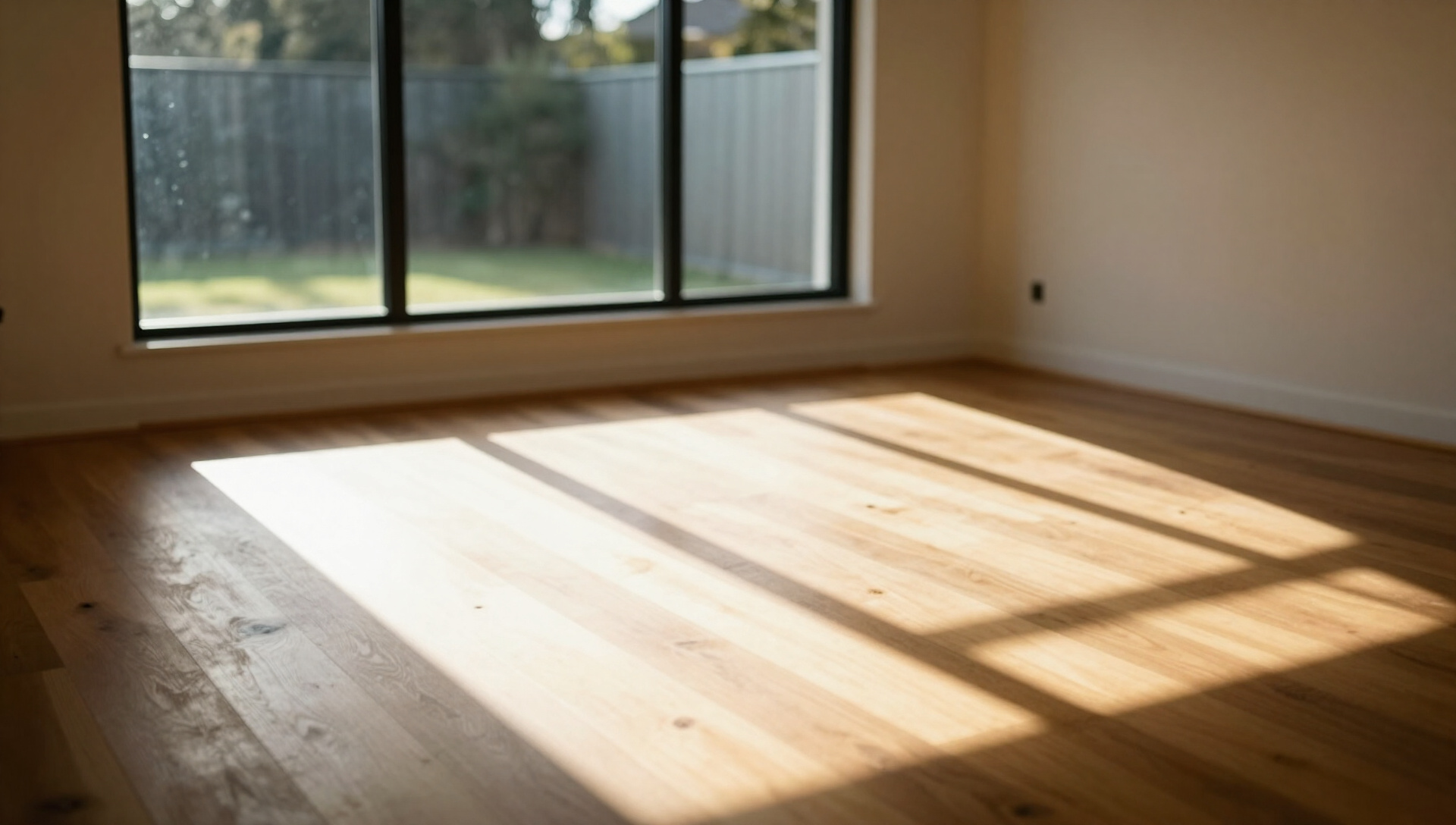
Frankston North’s cool winters and exposure to southerly winds make underfloor insulation a smart upgrade. It directly targets the cold air that enters through the subfloor and rises into living spaces, which can account for a significant portion of winter heat loss.
Insulating under the floor raises the surface temperature of timber floorboards, making rooms feel warmer at floor level and reducing the need for heating.
Bulk batts fitted snugly between joists block the gaps and cracks that let cold air in, stopping draughts that make feet cold and force heaters to work harder.
By reducing heat loss through the floor, your heating system runs less often, cutting energy use and power bills over winter.
Properly installed underfloor insulation helps manage moisture in the subfloor, reducing the risk of condensation on cold surfaces and improving indoor air quality.
Many Frankston North homes were built without underfloor insulation. Adding it now brings modern thermal performance to older properties without major renovations.
As long as there is enough crawl space access, batts can be retrofitted between joists without removing floors or disrupting the home.
Installing underfloor insulation requires access to the subfloor, proper safety checks and careful placement to avoid gaps or compression. Here’s how we do it in Frankston North homes.
We check the subfloor for sufficient crawl space, structural condition and any signs of moisture or pest damage. Access is typically through a hatch or by lifting sections of flooring if needed.
Bulk batts are measured to fit snugly between the floor joists without gaps or compression. We use glasswool, polyester or rockwool depending on your preference and budget.
Batts are friction-fitted between the joists and held in place by the springiness of the material. We ensure full coverage with no gaps around pipes, cables or bearers.
Any remaining gaps around edges or penetrations are sealed with tape or foam. We remove all offcuts and debris, leaving the subfloor clean and the access point secured.
Frankston North has a mix of older weatherboard homes and postwar brick veneer houses, many with suspended timber floors that benefit from underfloor insulation. The suburb’s proximity to the bay and exposure to cold southerly winds in winter make this upgrade particularly effective. Nearby Frankston and Langwarrin share similar housing stock and climate conditions, so the same principles apply.
Underfloor insulation for Frankston North homes stops cold floors and draughts through suspended timber floors.
Homeowners in Frankston North often ask about access, R-values and whether their home is suitable. Here are the key details.
Underfloor insulation in Frankston North targets the cold air that enters through the subfloor of suspended timber floors, a common issue in older weatherboard and brick veneer homes. By installing bulk batts between the floor joists, we block draughts and improve thermal resistance, making floors warmer and reducing heating costs.
Frankston North’s cool winters and exposure to southerly winds make underfloor insulation a cost-effective upgrade. It works alongside ceiling insulation to create a more consistent indoor temperature, cutting energy use and improving comfort without major structural changes.
The process involves accessing the subfloor via a crawl space, measuring and cutting batts to fit snugly between joists, and sealing any gaps. Typical R-values for underfloor insulation range from R1.5 to R2.5, depending on the product and the home’s needs. Costs vary with floor area, access difficulty and the chosen material.
Stop cold floors and draughts in your Frankston North home. Call Expert Insulation Melbourne on 0399695249 or email info@expertinsulationmelbourne. com. au to discuss underfloor insulation for your property.